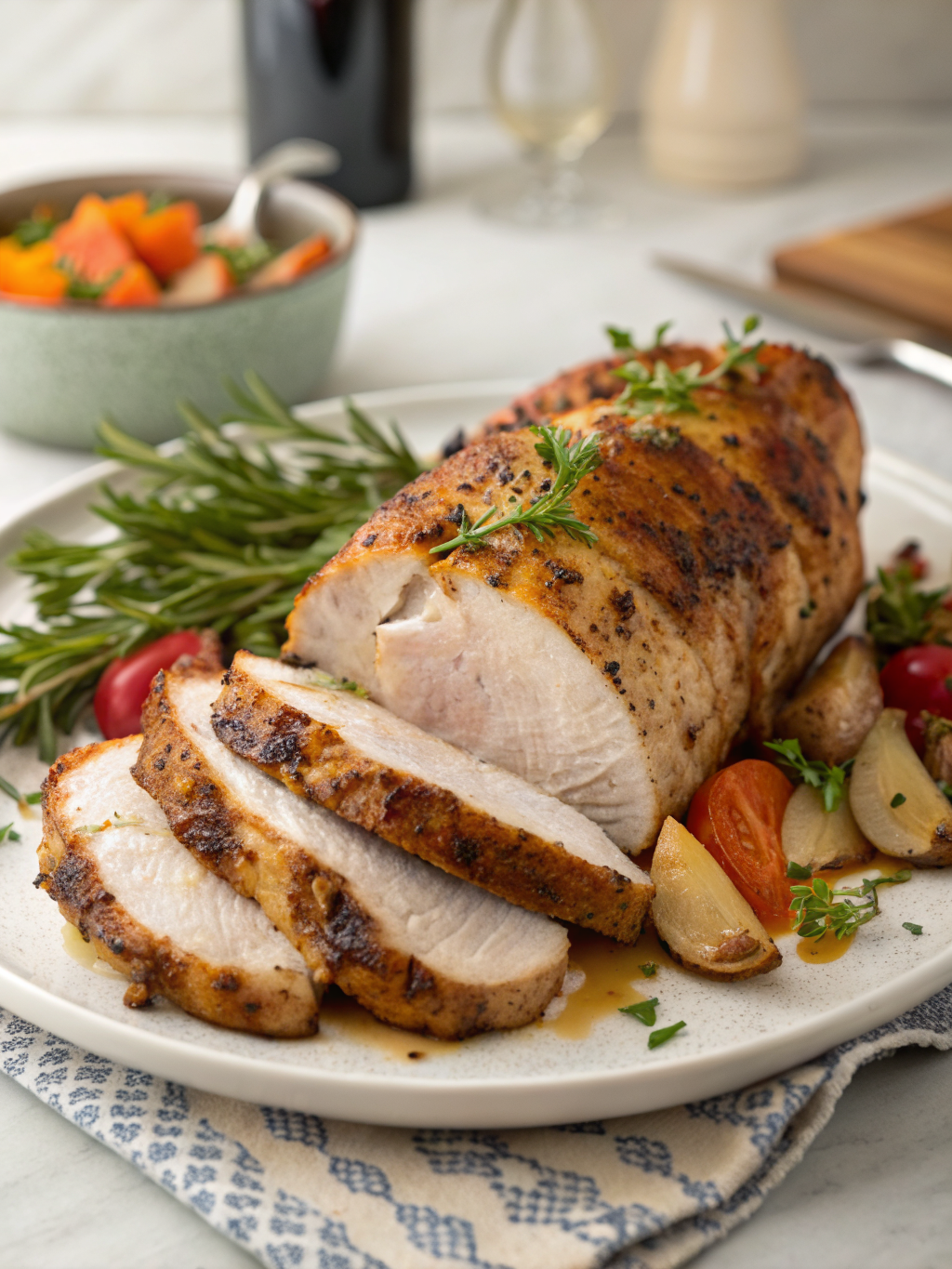
Turkey Tenderloin Recipe: Juicy, Flavorful, and Easy
Ever wondered why your turkey tenderloins turn out dry despite your best efforts? The secret to succulent, flavor-packed turkey isn’t complicated cooking techniques or fancy equipment it’s understanding the unique properties of this lean cut.
This turkey tenderloin recipe transforms an ordinary weeknight dinner into a memorable meal without the fuss of cooking an entire bird. Perfect for smaller gatherings or when you crave thanksgiving flavors without the commitment, these tenderloins deliver maximum flavor with minimal effort.
Ingredients List
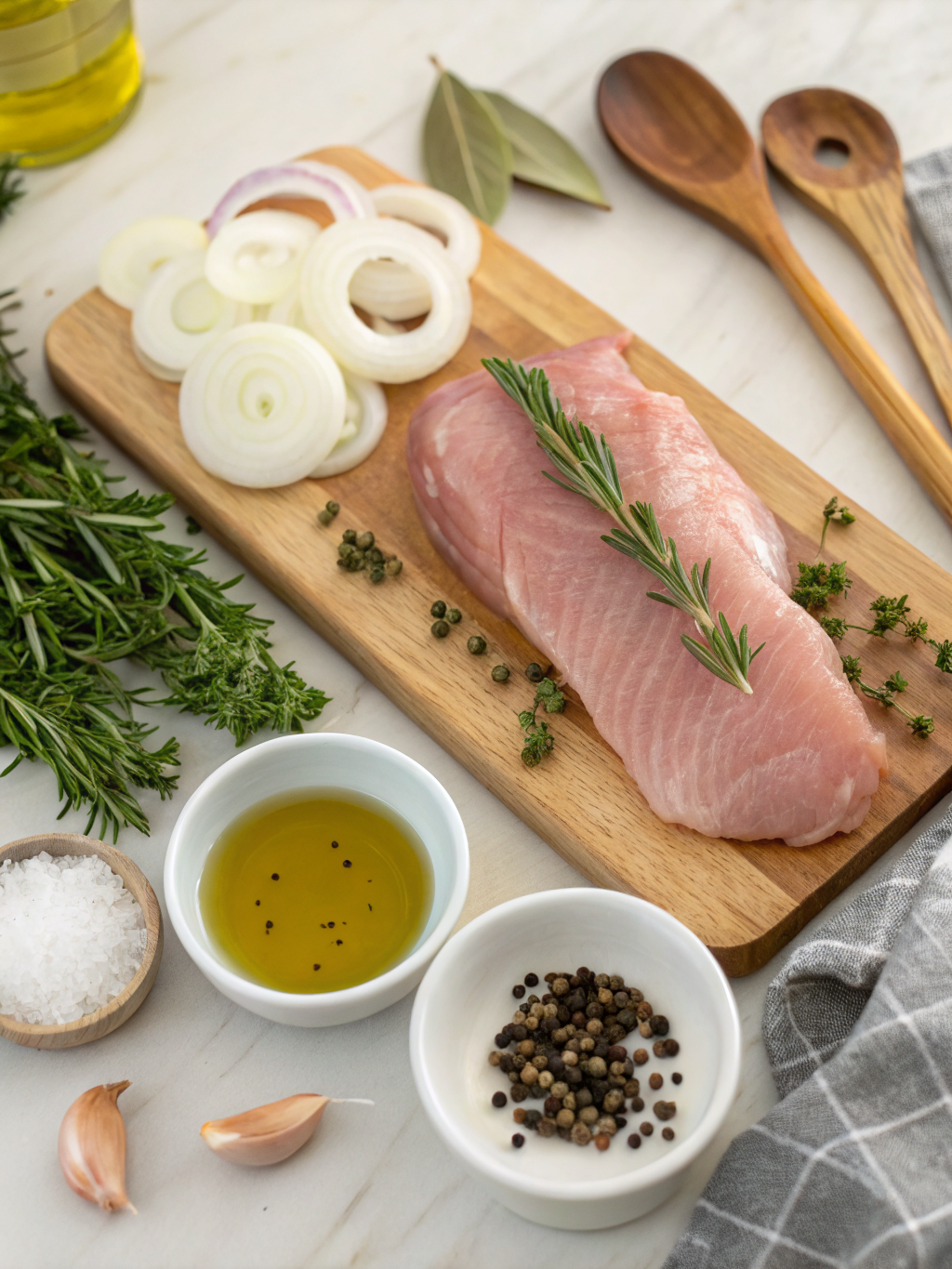
Gather these simple ingredients for a turkey tenderloin dish that will impress even the most discerning palates. Each component plays a crucial role in building layers of flavor while keeping the meat moist and tender.
- 2 turkey tenderloins (about 1.5 pounds total)
- 3 tablespoons olive oil, divided
- 2 tablespoons fresh rosemary, finely chopped
- 2 tablespoons fresh thyme leaves
- 3 cloves garlic, minced
- 1 tablespoon Dijon mustard
- 1 tablespoon honey
- 1 teaspoon smoked paprika
- 1 teaspoon salt
- ½ teaspoon freshly ground black pepper
- ½ cup low-sodium chicken broth
- 2 tablespoons unsalted butter
- 1 tablespoon lemon juice
Substitution options: Replace fresh herbs with dried (use 1/3 the amount). Maple syrup works beautifully instead of honey, and whole grain mustard can substitute for Dijon for a more rustic flavor profile.
Timing
- Preparation time: 15 minutes for trimming and marinating the tenderloins
- Cooking time: 25-30 minutes, including searing and oven time
- Total time: 45 minutes, which is 70% faster than roasting a whole turkey breast while delivering equally impressive results. This makes it perfect for weeknight dinners when you want something special without the extended cooking time.
Step-by-Step Instructions
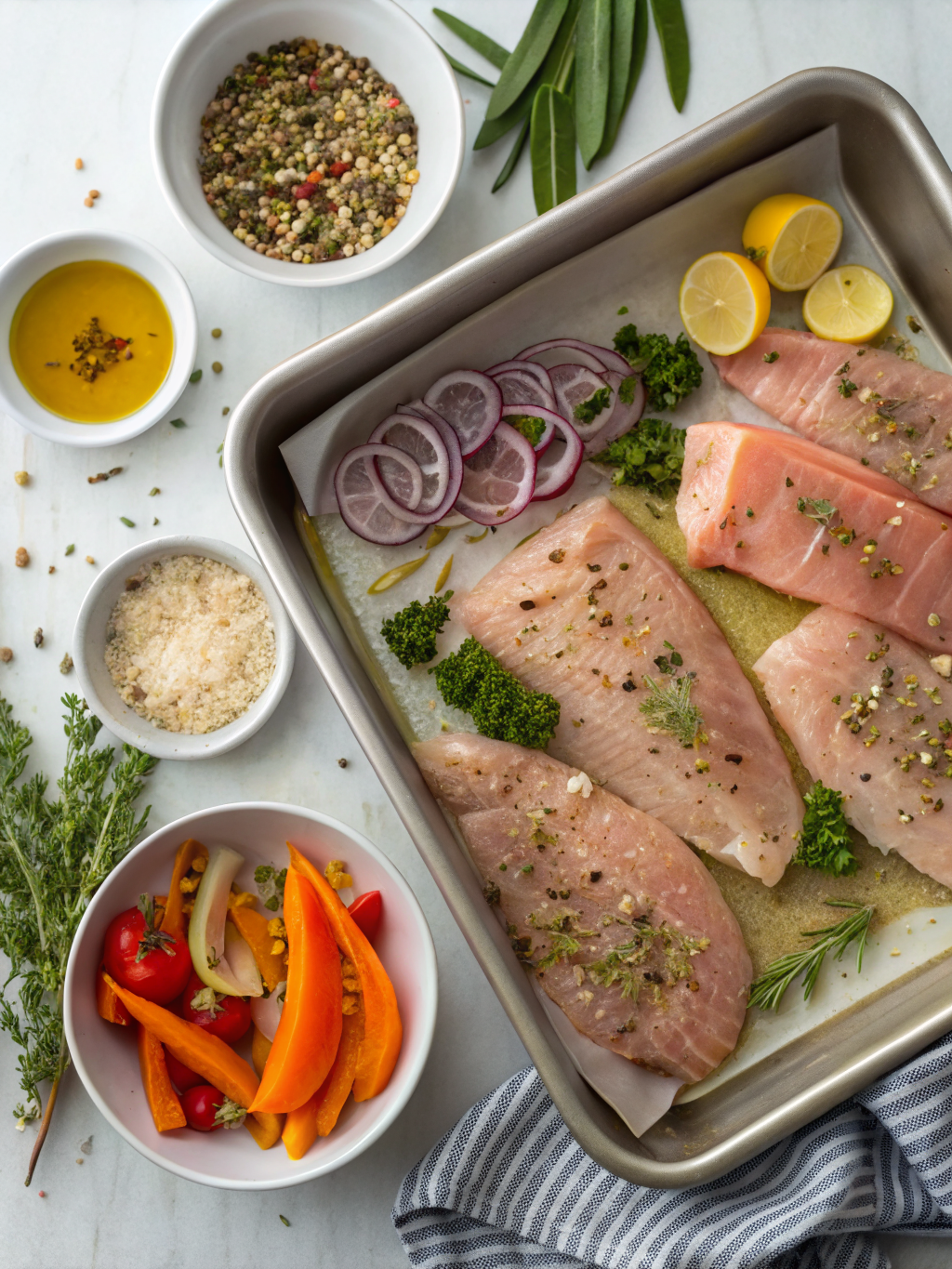
Follow these precise steps to achieve turkey tenderloin perfection every time. The combination of stovetop searing and oven finishing ensures a beautiful exterior crust while maintaining a juicy interior.
Step 1: Prepare the Tenderloins
Preheat your oven to 375°F (190°C). Remove turkey tenderloins from packaging and pat dry thoroughly with paper towels. Trimming any silver skin is crucial—this tough connective tissue won’t break down during cooking and can cause the meat to curl up in the pan.
Step 2: Create the Herb Rub
In a small bowl, combine 2 tablespoons olive oil, rosemary, thyme, garlic, Dijon mustard, honey, smoked paprika, salt, and pepper. Mix until it forms a smooth paste. This aromatic blend not only seasons the meat but creates a protective coating that locks in moisture.
Step 3: Season the Tenderloins
Using your hands, massage the herb mixture evenly over the entire surface of the tenderloins. For maximum flavor, let them sit at room temperature for 15 minutes. This brief resting period allows the seasonings to penetrate the meat while taking the chill off, which promotes more even cooking.
Step 4: Sear to Perfection
Heat the remaining tablespoon of olive oil in an oven-safe skillet over medium-high heat. When the oil shimmers, carefully add the tenderloins. Sear for 2-3 minutes on each side until a golden-brown crust forms. This crucial step creates the Maillard reaction, developing deep flavor compounds.
Step 5: Finish in the Oven
Pour chicken broth into the skillet around (not over) the tenderloins. Transfer the skillet to the preheated oven and roast for 15-20 minutes, or until an instant-read thermometer registers 160°F (71°C) when inserted into the thickest part of the meat.
Step 6: Rest and Create the Sauce
Remove the tenderloins to a cutting board and tent loosely with foil. Let rest for 5-10 minutes while you make the sauce. Return the skillet to the stovetop over medium heat, add butter and lemon juice to the pan drippings, and whisk until slightly thickened, about 2 minutes.
Step 7: Slice and Serve
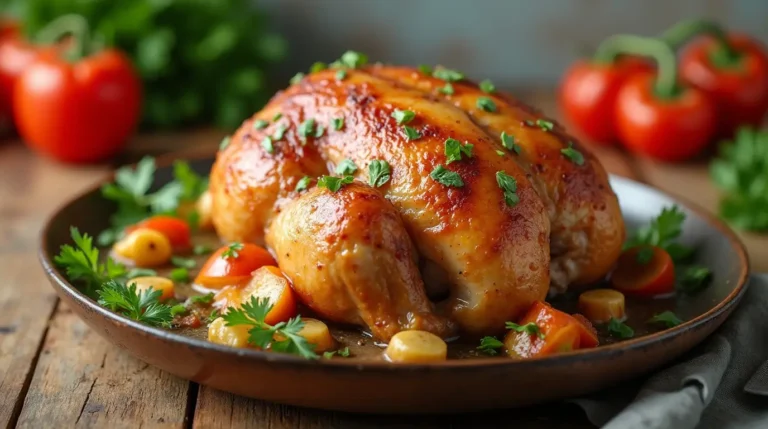
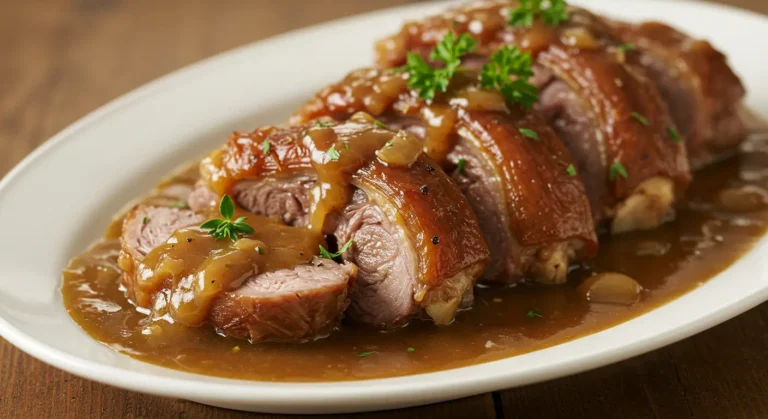
Slice the turkey tenderloin recipe against the grain into medallions approximately ½-inch thick. Arrange on a serving platter and drizzle with the pan sauce. Garnish with additional fresh herbs if desired for a restaurant-quality presentation.
Nutritional Information
This turkey tenderloin recipe offers an impressive nutritional profile, making it an excellent choice for health-conscious diners. Each serving (approximately 4 oz cooked) provides:
- Calories: 175 per serving
- Protein: 28g (56% of daily value)
- Fat: 6g (9% of daily value)
- Carbohydrates: 3g (1% of daily value)
- Sodium: 320mg (14% of daily value)
- Potassium: 315mg (9% of daily value)
Turkey tenderloin is particularly notable for its lean protein content, providing essential amino acids with minimal fat. It’s also rich in B vitamins, especially niacin and B6, which support energy metabolism and brain function.
Healthier Alternatives for the Recipe
While this turkey tenderloin recipe is already relatively healthy, there are several modifications you can make to further enhance its nutritional profile:
For lower sodium content, reduce salt to ½ teaspoon and use unsalted chicken broth. The herbs and spices provide ample flavor without excessive sodium. For a dairy-free option, substitute olive oil for butter in the sauce and add a teaspoon of arrowroot powder to achieve similar thickness.
To reduce sugar, replace honey with a teaspoon of orange zest, which provides brightness without added sweetness. For a Mediterranean twist, incorporate olives and sun-dried tomatoes into the herb rub while omitting the honey altogether.
Serving Suggestions
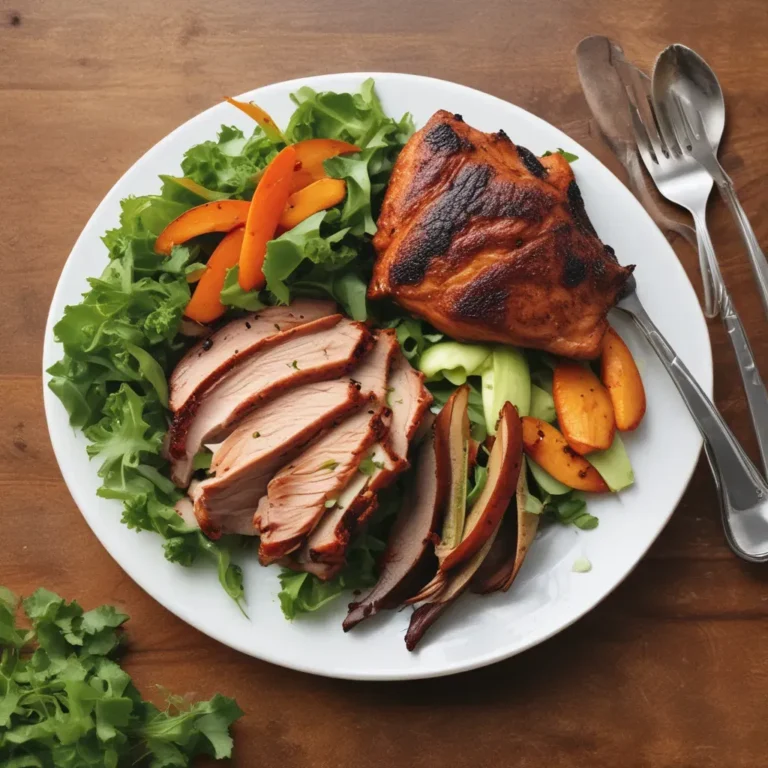
Transform your turkey tenderloin recipe into a complete meal with these thoughtfully paired side dishes. For a classic comfort food experience, serve with creamy mashed potatoes and roasted Brussels sprouts with bacon bits.
For a lighter option, pair with a quinoa pilaf studded with dried cranberries and toasted pecans, plus a simple arugula salad dressed with lemon vinaigrette. The peppery arugula beautifully complements the savory turkey.
For special occasions, consider serving alongside Roasted Turkey Breast with Lingonberries for an impressive spread that offers guests variety. The sweet-tart lingonberry sauce provides a delightful contrast to the herb-crusted tenderloins.
Common Mistakes to Avoid
Sidestep these pitfalls to ensure your turkey tenderloin turns out perfectly every time:
- Overcooking: The number one mistake! Turkey tenderloin dries out quickly when overcooked. Use a meat thermometer and remove from heat at 160°F—carryover cooking will bring it to the safe 165°F.
- Skipping the sear: The initial sear develops crucial flavor compounds and helps seal in juices. Don’t rush or skip this step.
- Not removing silver skin: This tough connective tissue causes the meat to curl and become tough when cooked. Take the extra minute to remove it.
- Slicing with the grain: Always cut perpendicular to the muscle fibers (against the grain) for the most tender bite.
- Skipping the rest period: Resting allows juices to redistribute throughout the meat. Cut too soon, and those flavorful juices end up on your cutting board instead of in each bite.
Storing Tips for the Recipe
Properly stored turkey tenderloin maintains its quality remarkably well, making it perfect for meal prep. Refrigerate leftover cooked tenderloin in an airtight container for up to 3 days. For best texture, slice only what you’ll eat immediately and store the remainder whole.
To freeze, wrap cooled cooked tenderloin tightly in plastic wrap, then aluminum foil, and place in a freezer bag with the air pressed out. Label with the date and use within 2 months. Thaw overnight in the refrigerator before gently reheating.
For make-ahead preparation, you can marinate the raw tenderloins for up to 24 hours in the refrigerator, which actually improves flavor development. Bring to room temperature for 15 minutes before cooking for the most even results.
Conclusion
This turkey tenderloin recipe delivers restaurant-quality results with minimal effort, proving that impressive meals don’t require complicated techniques or all-day cooking. The perfect balance of herbs and spices complements the lean meat while the cooking method ensures juicy, tender results every time.
Have you tried this recipe? We’d love to hear about your experience! Share your photos, modifications, or serving suggestions in the comments below. And if you enjoyed this recipe, be sure to check out our other poultry dishes for more weeknight dinner inspiration!