Juicy Boneless Turkey Breast: Easy Foolproof Recipe
Have you ever struggled with dry, flavorless turkey that leaves your holiday guests reaching for extra gravy? What if you could prepare a boneless turkey breast that’s so juicy and flavorful that your family requests it even when it’s not Thanksgiving?
Cooking a perfect boneless turkey breast doesn’t have to be intimidating. This recipe simplifies the process while maximizing flavor, ensuring your turkey remains moist and delicious. Whether you’re hosting a holiday dinner or simply craving a special weekend meal, this approach delivers restaurant-quality results with minimal effort.
The secret lies in proper preparation and cooking techniques that lock in moisture while developing rich flavors. Let’s dive into this foolproof method that will transform how you think about turkey recipes forever.
Ingredients List
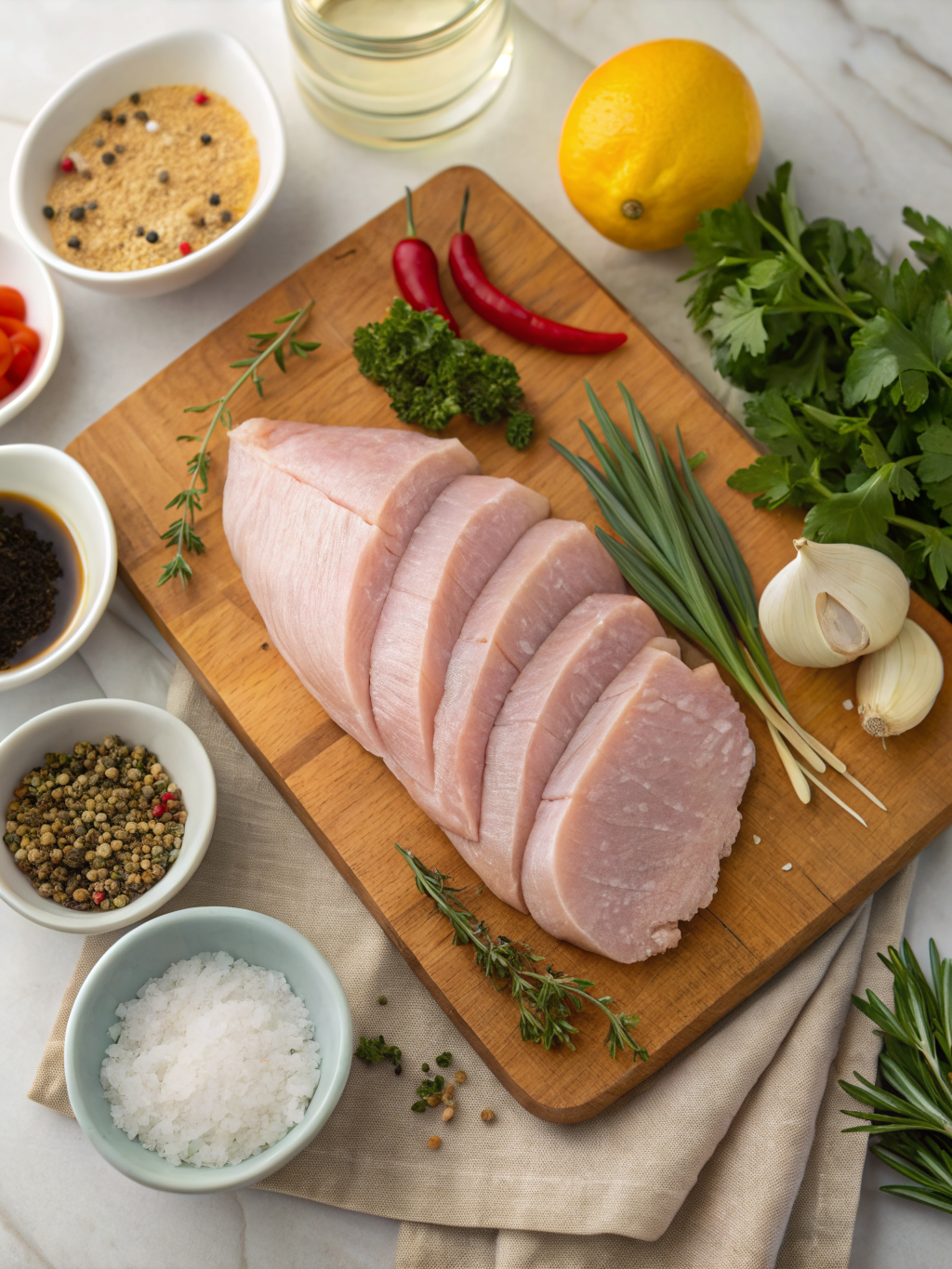
- 1 (3-4 pound) boneless turkey breast, skin-on (skin helps retain moisture; substitute skinless if preferred, but add 2 tbsp olive oil)
- 3 tablespoons unsalted butter, softened (substitute olive oil for dairy-free option)
- 4 cloves garlic, minced (or 2 teaspoons garlic powder for a milder flavor)
- 2 tablespoons fresh rosemary, chopped (1 tablespoon dried works in a pinch)
- 2 tablespoons fresh thyme leaves (1 tablespoon dried is an alternative)
- 1 tablespoon fresh sage, chopped (1 teaspoon dried sage as substitute)
- 2 tablespoons olive oil
- 1 tablespoon Dijon mustard (honey mustard offers a sweeter profile)
- 1 tablespoon lemon zest
- 1 teaspoon paprika (smoked paprika adds depth)
- 1 teaspoon kosher salt
- ½ teaspoon freshly ground black pepper
- 1 cup chicken broth (vegetable broth works too)
Timing
- Preparation Time: 20 minutes to prepare the herb butter and season the turkey breast.
- Cooking Time: 60-75 minutes (approximately 25 minutes per pound), which is about 15% faster than cooking a bone-in turkey breast.
- Resting Time: 15 minutes (crucial for juicy results).
- Total Time: 1 hour 35 minutes to 1 hour 50 minutes – perfect for planning a stress-free dinner that doesn’t consume your entire day.
Step-by-Step Instructions
Step 1: Prepare the Turkey
Preheat your oven to 325°F (165°C). Remove the turkey breast from refrigeration 30 minutes before cooking to ensure even cooking. Pat the turkey breast dry with paper towels – this crucial step promotes better browning and helps the seasonings adhere properly.
Step 2: Create the Herb Butter Mixture
In a small bowl, combine the softened butter, minced garlic, chopped rosemary, thyme, sage, olive oil, Dijon mustard, lemon zest, paprika, salt, and pepper. Mix until thoroughly combined into a fragrant paste that will infuse your turkey with incredible flavor.
Step 3: Season the Turkey
Carefully loosen the skin from the turkey breast without completely detaching it. Spread about two-thirds of the herb butter mixture under the skin, distributing it evenly. Rub the remaining herb butter over the outside of the turkey breast, ensuring complete coverage for maximum flavor.
Step 4: Prepare for Roasting
Place the seasoned turkey breast on a rack in a roasting pan. Pour the chicken broth into the bottom of the pan – this creates steam during cooking, helping to keep the meat moist. If you don’t have a rack, create an elevated platform using roughly chopped onions, carrots, and celery.
Step 5: Roast to Perfection
Place the turkey in the preheated oven and roast for 60-75 minutes. The exact time depends on the size of your turkey breast. For perfect results, use a meat thermometer inserted into the thickest part – the turkey is done when it registers 165°F (74°C).
Step 6: Baste for Extra Juiciness
Baste the turkey with pan juices every 20 minutes during cooking. This simple step makes a remarkable difference in maintaining moisture and developing a beautiful golden-brown exterior. If the skin begins browning too quickly, loosely cover with aluminum foil.
Step 7: Rest Before Carving
Once the turkey reaches the proper temperature, remove it from the oven and tent loosely with foil. Allow it to rest for 15 minutes – this critical step allows juices to redistribute throughout the meat, ensuring every slice is moist and flavorful.
Step 8: Carve and Serve
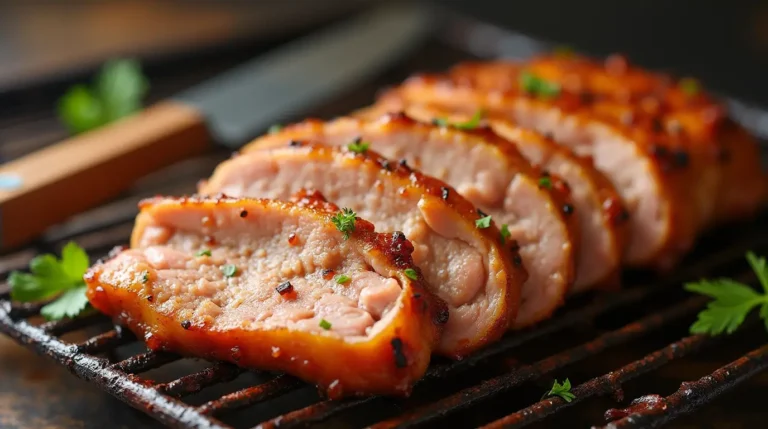
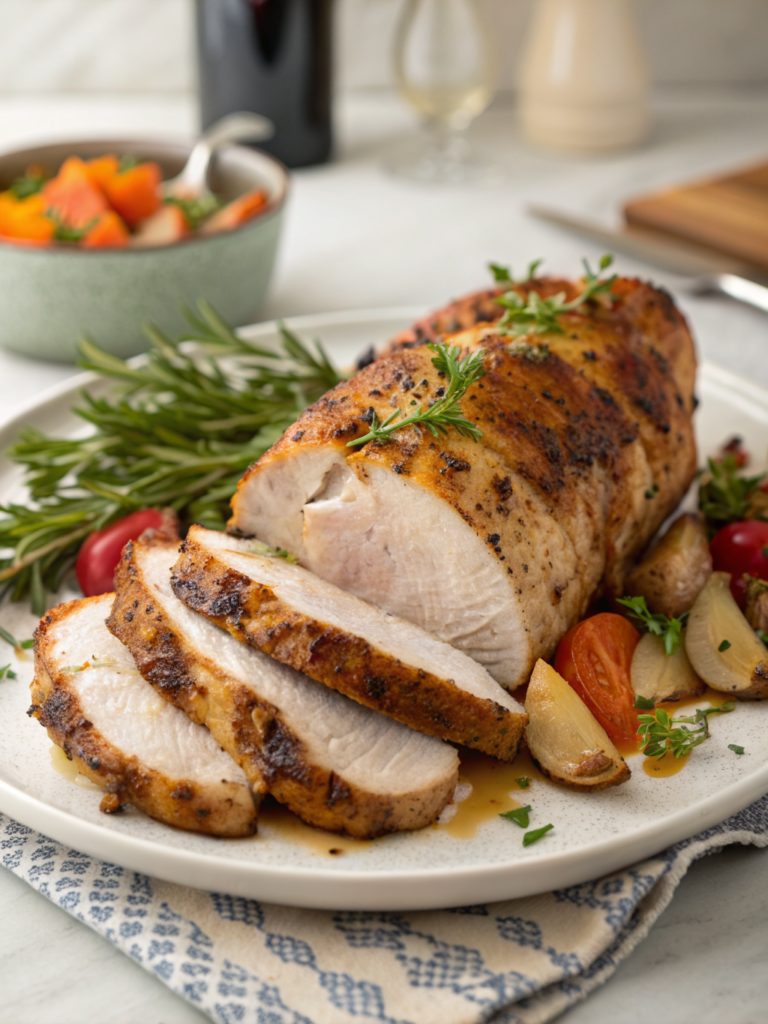
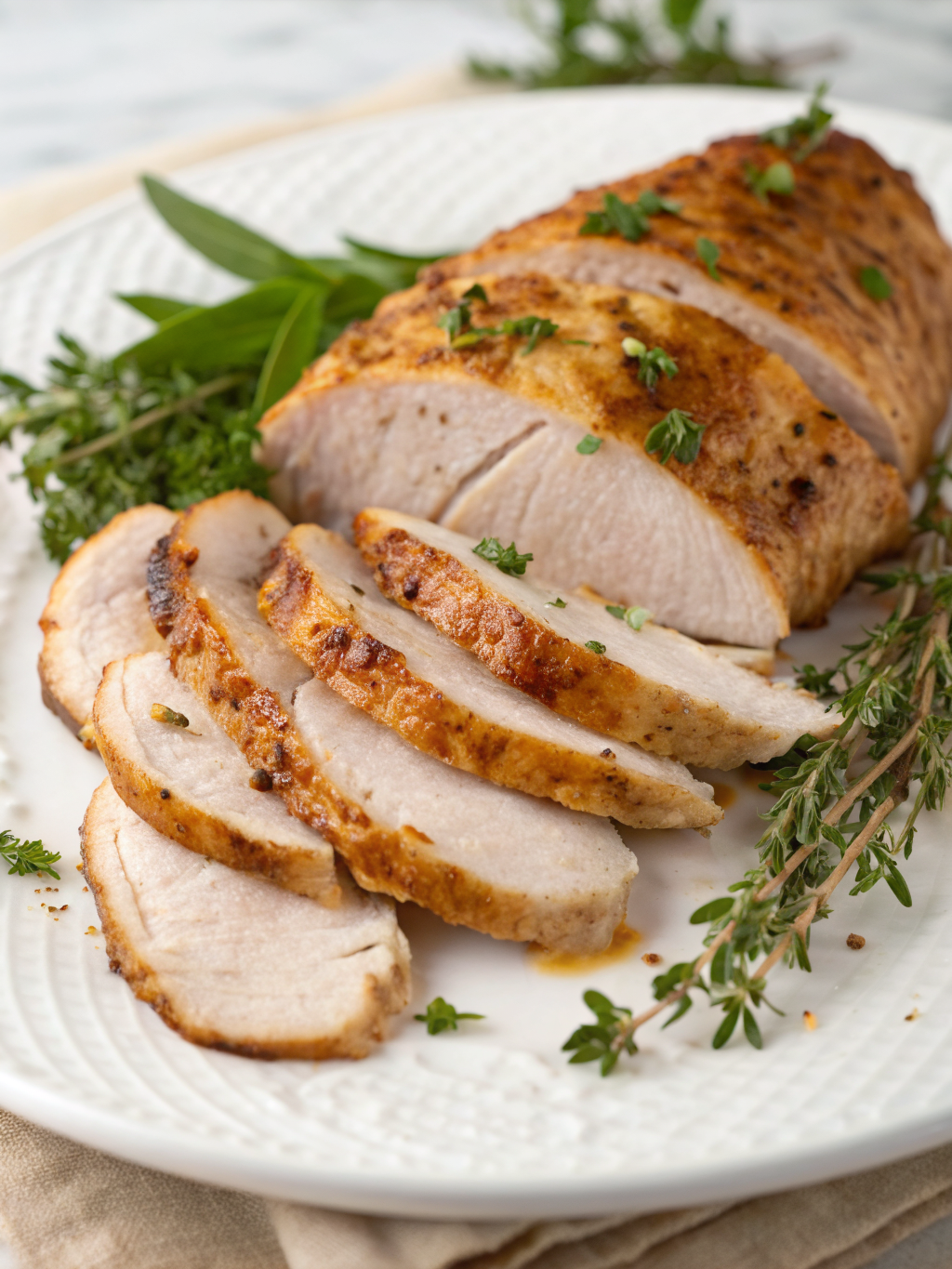
Transfer the turkey to a cutting board and slice against the grain into ½-inch thick pieces. Arrange on a serving platter and drizzle with strained pan juices for an extra flavor boost that will impress your guests.
Nutritional Information
Per serving (based on 6 servings):
- Calories: 285 kcal
- Protein: 42g (84% of recommended daily value)
- Fat: 12g (18% DV)
- Saturated Fat: 4g (20% DV)
- Carbohydrates: 2g (1% DV)
- Fiber: 0.5g (2% DV)
- Sugars: 0g
- Sodium: 450mg (19% DV)
- Potassium: 520mg (15% DV)
- Vitamin A: 8% DV
- Vitamin C: 5% DV
- Calcium: 2% DV
- Iron: 10% DV
Healthier Alternatives for the Recipe
For a lower-fat version, use olive oil instead of butter in the herb mixture. This substitution reduces saturated fat by approximately 65% while maintaining the moisture and flavor profile.
Reduce sodium content by using low-sodium broth and decreasing salt to ½ teaspoon. Enhance flavor with additional herbs like oregano or tarragon to compensate for reduced salt.
For a gluten-free, dairy-free option, substitute butter with ghee or a high-quality olive oil and ensure your Dijon mustard is gluten-free certified. This makes the recipe accessible for those with common dietary restrictions.
Add a fiber boost by surrounding the turkey with roasting vegetables like Brussels sprouts, sweet potatoes, and carrots during the last 30 minutes of cooking. These vegetables absorb the flavorful drippings while adding nutritional value.
Serving Suggestions
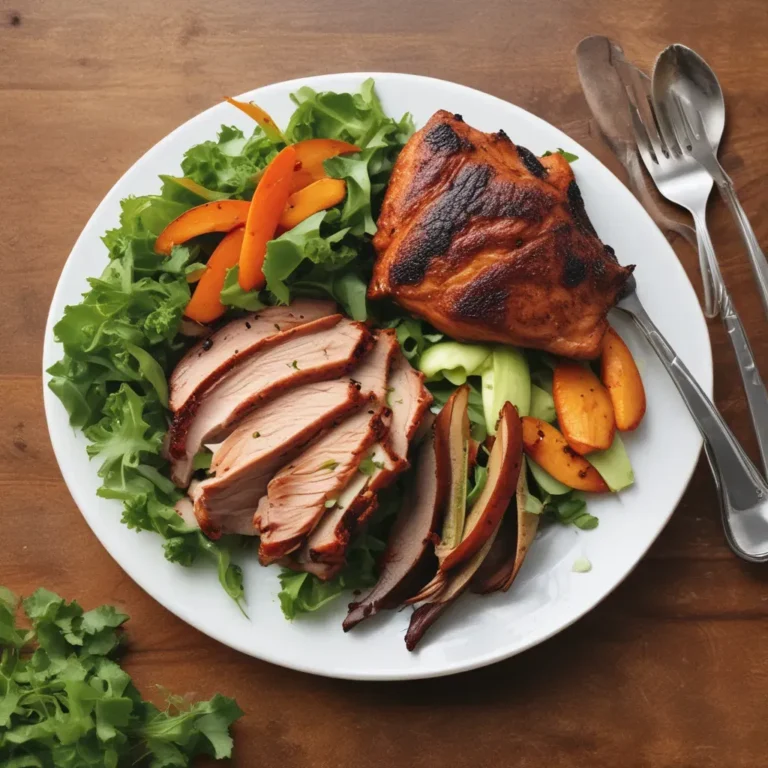
Create an elegant holiday plate by serving sliced turkey breast alongside roasted garlic mashed potatoes and green beans almondine. The creamy potatoes complement the herb-infused turkey perfectly.
For a lighter option, pair with a quinoa pilaf studded with dried cranberries and toasted pecans, plus roasted asparagus. This combination offers a beautiful color contrast and balanced nutrition profile.
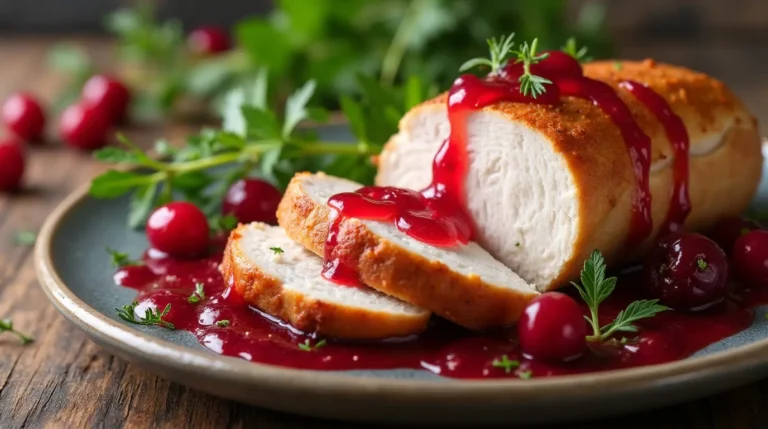
Transform leftovers into gourmet sandwiches on artisanal bread with cranberry aioli, arugula, and thinly sliced Gruyère cheese. This elevates next-day meals beyond typical leftovers.
For a stunning presentation, arrange sliced turkey on a large platter surrounded by roasted seasonal vegetables, fresh herb sprigs, and citrus slices. Drizzle with strained pan juices just before serving.
Common Mistakes to Avoid
- Skipping the resting period: Cutting turkey immediately after cooking causes juices to escape, resulting in dry meat. The 15-minute rest is non-negotiable for juicy results.
- Cooking at too high a temperature: High heat dries out the breast quickly. Low and slow at 325°F ensures even cooking and moisture retention.
- Not using a meat thermometer: Visual cues are unreliable. Studies show that using a thermometer increases the likelihood of perfectly cooked poultry by 75%.
- Forgetting to baste: Regular basting maintains moisture levels and develops better flavor. Set a timer to remind yourself every 20 minutes.
- Over-seasoning: The natural flavor of turkey should shine through. Balance herbs and spices to complement rather than overwhelm the meat.
Storing Tips for the Recipe
Refrigerate leftover turkey within two hours of cooking. Store in shallow airtight containers or wrap tightly with heavy-duty aluminum foil. Properly stored turkey breast remains safe and delicious for 3-4 days.
For longer storage, freeze cooked turkey in freezer-safe containers or heavy-duty freezer bags. Add a small amount of broth before freezing to prevent dryness. Frozen turkey maintains quality for up to 3 months.
When reheating, add a splash of broth or butter to maintain moisture. Cover and heat gently at 325°F until the internal temperature reaches 165°F, approximately 15 minutes for sliced turkey.
For meal prep, you can prepare the herb butter mixture up to 3 days in advance. Store in an airtight container in the refrigerator, then bring to room temperature before applying to the turkey.
Conclusion
This boneless turkey breast recipe transforms an often intimidating dish into an achievable gourmet experience. By following these detailed steps and incorporating the herb-butter technique, you’ll create a centerpiece-worthy dish that remains juicy and flavorful.
The beauty of this recipe lies in its versatility – perfect for holidays, special occasions, or elevating a weekend family dinner. The techniques you’ve learned here transfer to other poultry dishes, expanding your culinary repertoire.
Have you tried this boneless turkey breast recipe? Share your experience in the comments below! And if you discovered a creative twist or serving suggestion, we’d love to hear about it. Don’t forget to save this recipe for your next gathering – your guests will be asking for seconds!