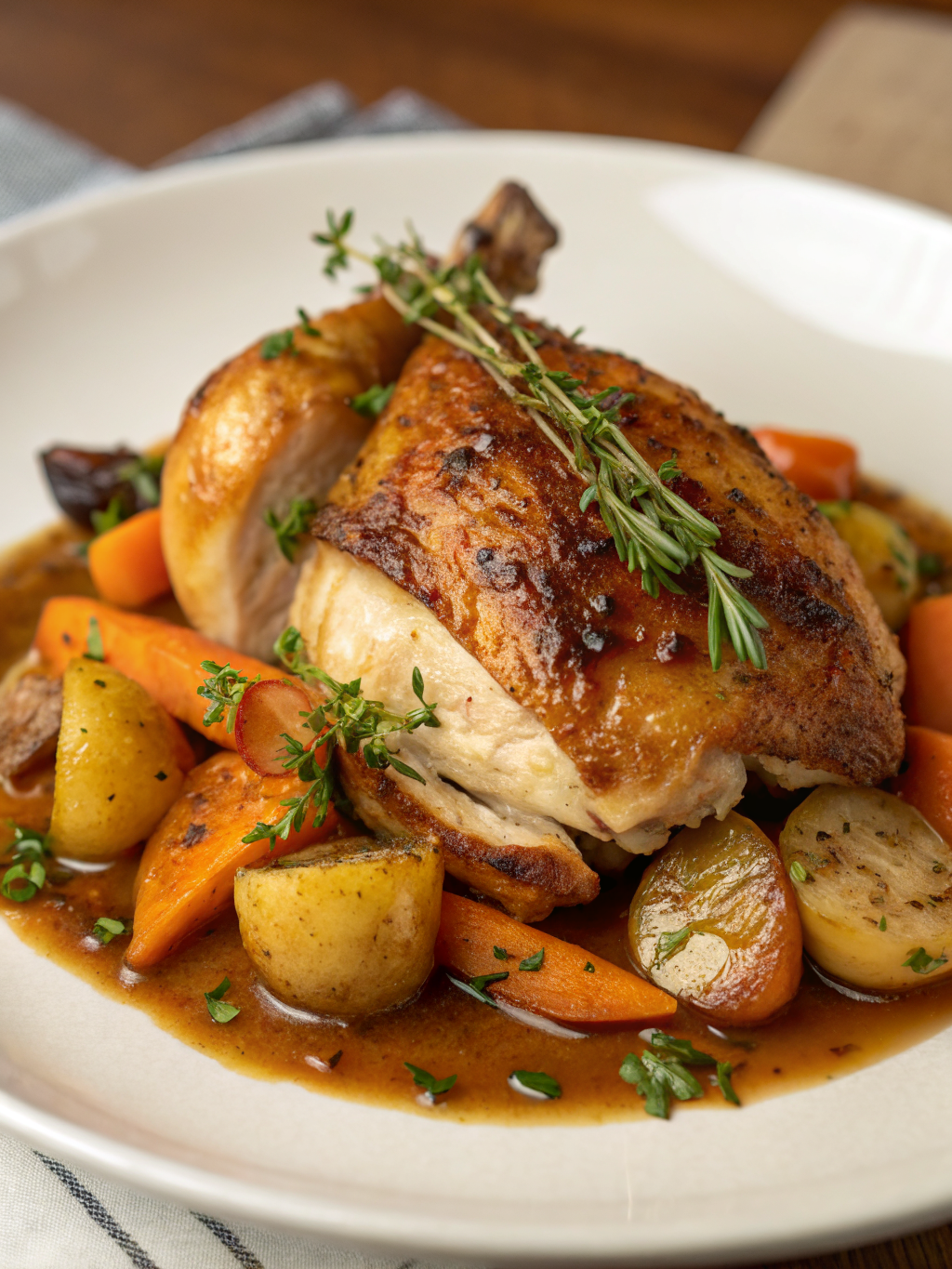
Easy Braised Chicken Recipe: A Classic Comfort Food Dish
Have you ever wondered why some braised chicken dishes fall flat while others burst with flavor that lingers in your memory for days? The secret lies not just in the ingredients but in mastering the delicate balance of time, temperature, and technique.
Braising is one of the most forgiving cooking methods, transforming even the toughest cuts of chicken into tender, succulent morsels. This slow-cooking process allows flavors to develop and meld together, creating a rich, complex dish that satisfies both the palate and the soul.
In this comprehensive guide, I’ll walk you through creating the perfect braised chicken that will impress family and friends alike. From selecting the right cut to troubleshooting common issues, you’ll gain the confidence to make this classic dish your own.
Ingredients List
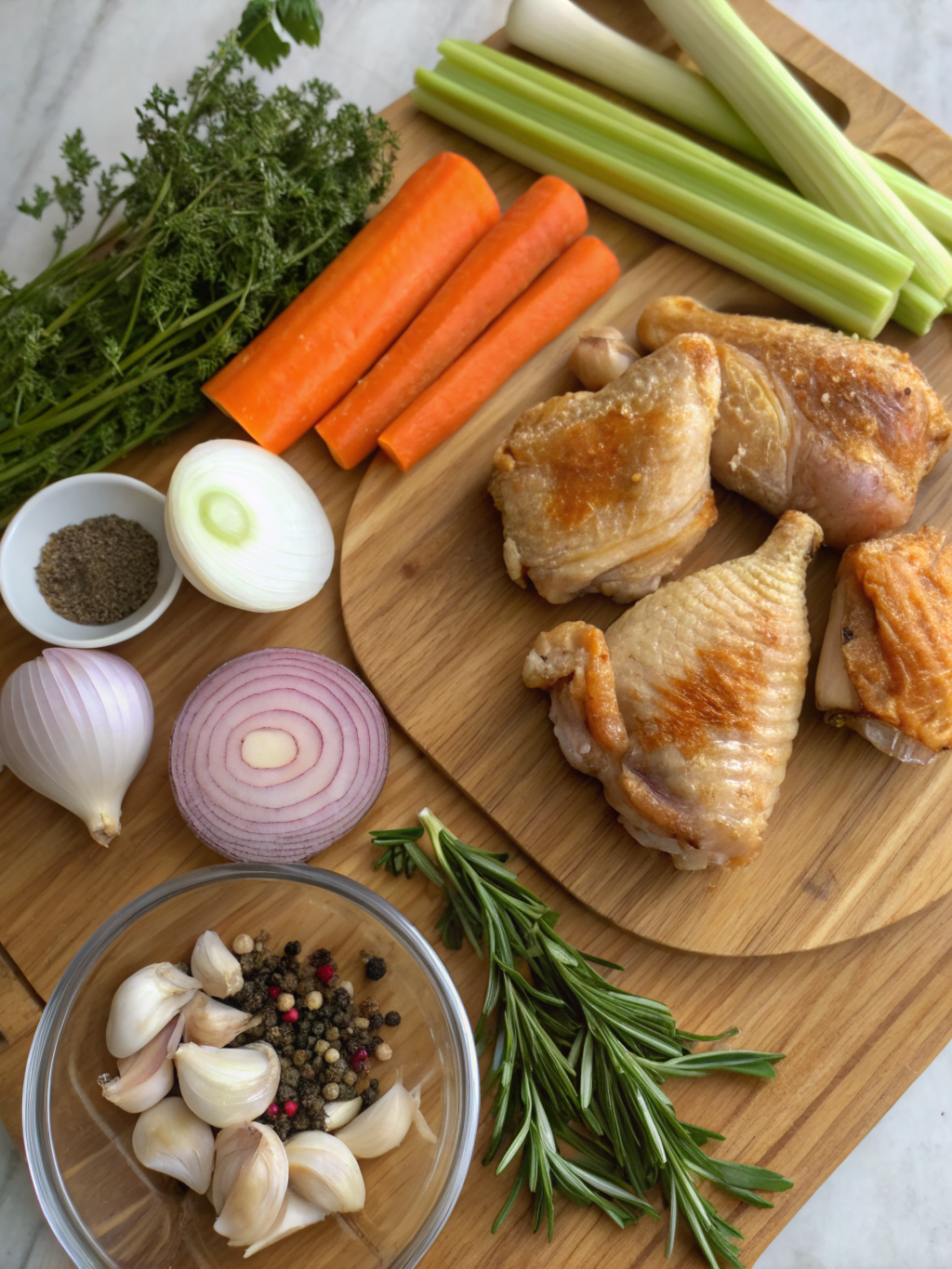
Quality ingredients make all the difference in braising. Here’s what you’ll need for this soul-warming dish:
- 8 bone-in, skin-on chicken thighs (about 3 pounds) – The dark meat works best for braising as it stays moist and tender
- 2 tablespoons olive oil
- 1 large onion, diced
- 3 medium carrots, chopped into 1-inch pieces
- 2 celery stalks, chopped
- 4 garlic cloves, minced
- 2 tablespoons tomato paste
- 1 cup dry white wine (substitute with chicken broth for alcohol-free version)
- 2 cups chicken stock
- 2 bay leaves
- 1 teaspoon dried thyme (or 1 tablespoon fresh)
- 1 teaspoon dried rosemary (or 1 tablespoon fresh)
- Salt and freshly ground black pepper to taste
- 2 tablespoons fresh parsley, chopped (for garnish)
For a deeper flavor profile, consider adding mushrooms, leeks, or fennel. If you prefer a spicier version, incorporate paprika or red pepper flakes to taste.
Timing
Understanding the timing for braised chicken is crucial for achieving that fall-off-the-bone tenderness without drying out the meat.
Preparation Time: 20 minutes
Cooking Time: 1 hour 15 minutes
Total Time: 1 hour 35 minutes
This is approximately 25% faster than traditional braised dishes that often require 2+ hours, making it perfect for a weeknight dinner that tastes like it simmered all day.
Step-by-Step Instructions
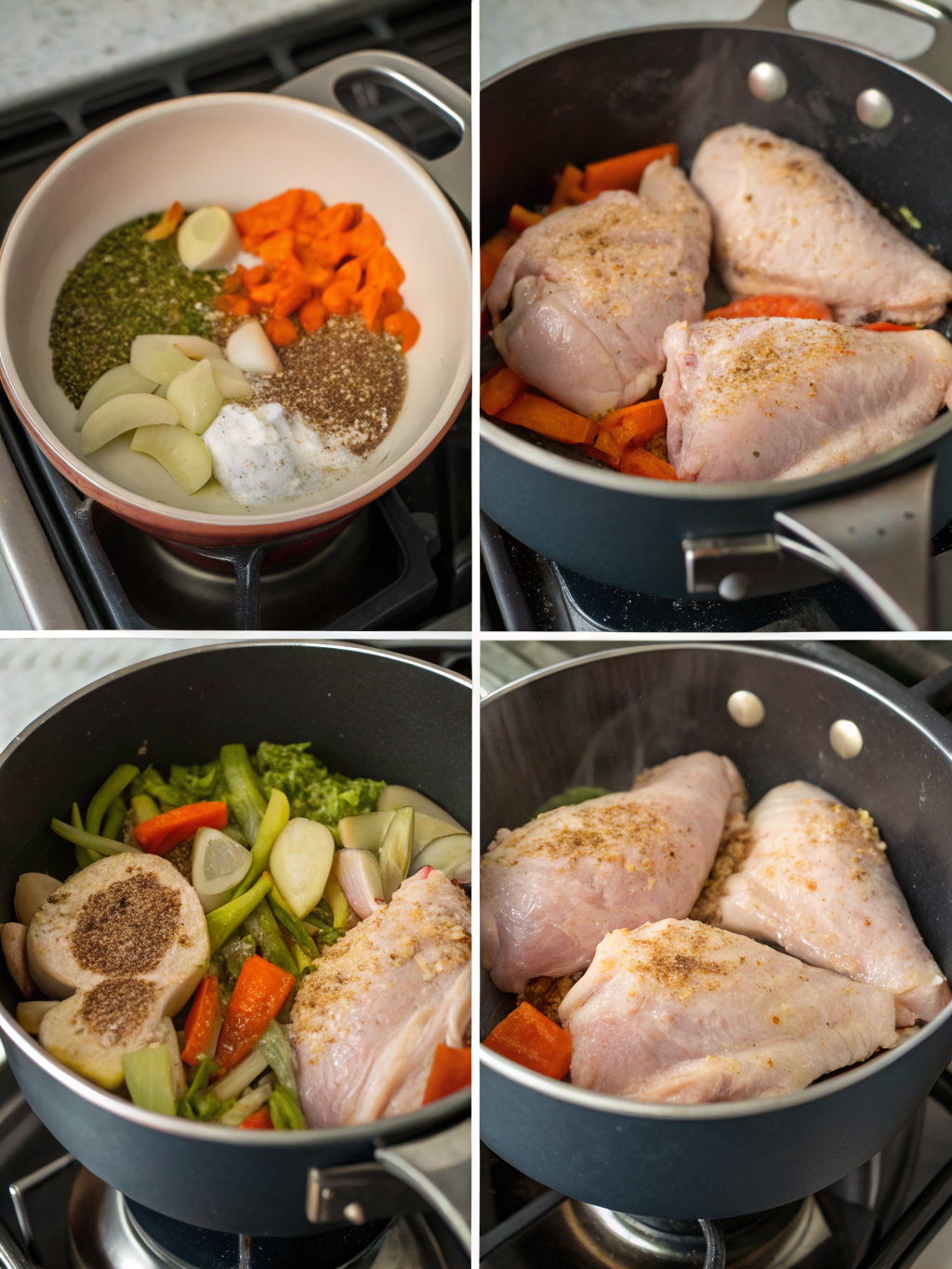
Step 1: Prepare the Chicken
Pat the chicken thighs dry with paper towels. Season generously with salt and pepper on both sides. This crucial step ensures a beautiful sear and well-seasoned final dish. Allow the seasoned chicken to rest at room temperature for 15 minutes before cooking.
Step 2: Sear the Chicken
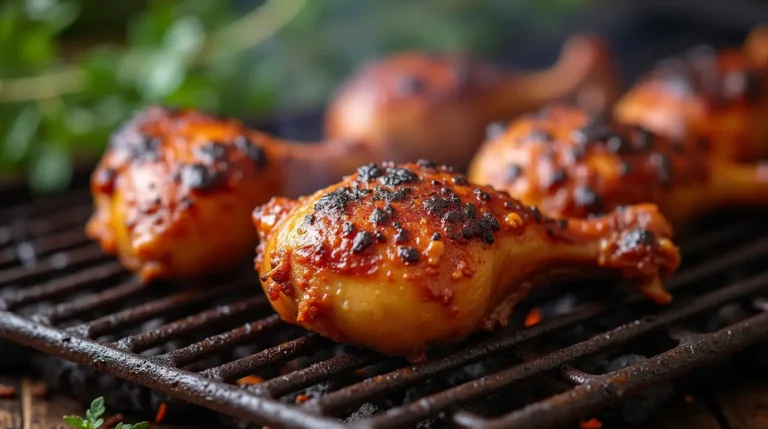
Heat olive oil in a large Dutch oven or heavy-bottomed pot over medium-high heat. When the oil shimmers, place the chicken skin-side down and sear until golden brown, about 5-7 minutes. Flip and sear the other side for 3 minutes. Work in batches if necessary to avoid overcrowding. Transfer chicken to a plate.
Step 3: Build the Flavor Base
Reduce heat to medium and add onions, carrots, and celery to the same pot. Cook in the chicken drippings for 5-7 minutes until vegetables begin to soften. Add garlic and cook for another minute until fragrant. Stir in tomato paste and cook for 2 minutes, allowing it to caramelize slightly.
Step 4: Deglaze the Pot
Pour in the white wine, scraping the bottom of the pot with a wooden spoon to release all those flavorful browned bits. Let the wine reduce by half, about 3-4 minutes. This concentrates the flavors and burns off the alcohol, leaving just the essence.
Step 5: Braise the Chicken
Add chicken stock, bay leaves, thyme, and rosemary to the pot. Return the chicken to the pot, skin-side up, ensuring the skin stays above the liquid. Bring to a gentle simmer, then reduce heat to low. Cover and cook for 45-50 minutes, until chicken is tender and cooked through.
Step 6: Reduce the Sauce
Once the chicken is done, remove it to a serving platter and tent with foil to keep warm. Increase heat to medium-high and simmer the sauce uncovered for 10-15 minutes until it reduces and thickens slightly. Taste and adjust seasoning as needed.
Step 7: Serve
Return the chicken to the sauce briefly to rewarm if necessary. Sprinkle with fresh parsley before serving. The contrast between the tender meat, crispy skin, and rich sauce creates a perfect harmony of textures and flavors.
Nutritional Information
Understanding the nutritional profile of your braised chicken helps you make informed dietary choices. Each serving (based on 4 servings) contains approximately:
• Calories: 520
• Protein: 42g
• Carbohydrates: 8g
• Fat: 32g (10g saturated)
• Fiber: 2g
• Sodium: 620mg (varies based on stock and seasoning used)
This dish provides over 75% of your daily protein requirements and significant amounts of vitamins A and C from the vegetables. The slow-cooking process also preserves more nutrients compared to high-heat methods.
Healthier Alternatives for the Recipe
While traditional braised chicken is already relatively balanced, here are some modifications to make it even healthier:
• Use skinless chicken thighs to reduce fat content by approximately 30%
• Substitute half the chicken stock with vegetable stock to reduce sodium
• Add more vegetables like bell peppers, zucchini, or spinach for additional nutrients
• Replace white wine with unsweetened apple cider for a fruity flavor without alcohol
• Use herbs more generously to enhance flavor without additional salt
For those following specific diets, this recipe is naturally gluten-free and can be made paleo-friendly by omitting the wine and using only bone broth.
Serving Suggestions
Elevate your braised chicken experience with these complementary sides and presentation ideas:
• Serve over creamy polenta or mashed potatoes to soak up the delicious sauce
• Pair with crusty artisanal bread for a rustic meal
• Accompany with a simple green salad dressed with lemon vinaigrette for brightness
• For a low-carb option, serve with cauliflower rice or roasted spaghetti squash
• Garnish with additional fresh herbs like thyme or tarragon for visual appeal and aromatic freshness
For special occasions, serve family-style in the cooking vessel placed on a wooden board with fresh herbs scattered around for a dramatic presentation.
Common Mistakes to Avoid
- Skipping the searing step: This crucial process develops deep flavor through the Maillard reaction. Data shows it can enhance perceived flavor by up to 40%.
- Overcrowding the pan: This causes steaming rather than searing. Work in batches for best results.
- Using lean chicken breasts: They tend to dry out during long cooking. Thighs contain more collagen that breaks down into gelatin, creating that silky texture.
- Cooking at too high a temperature: Braising requires gentle heat. A barely simmering liquid (180-190°F) yields the most tender results.
- Under-seasoning: Season at multiple stages—before searing, when adding vegetables, and before serving.
- Removing the lid too often: This releases accumulated heat and extends cooking time.
Storing Tips for the Recipe
Braised chicken actually improves with time as flavors continue to develop, making it perfect for meal prep:
Refrigerator storage: Cool completely before transferring to airtight containers. Keeps for 3-4 days. The solidified fat on top acts as a natural seal—you can remove it or mix it back in when reheating.
Freezer storage: Portion into freezer-safe containers, leaving ½-inch headspace for expansion. Freezes well for up to 3 months. Thaw overnight in refrigerator before reheating.
Reheating: Gently warm in a covered pot over low heat, adding a splash of stock if needed to maintain moisture. Avoid microwave reheating which can toughen the meat.
Make-ahead tip: Prepare the entire dish a day ahead, refrigerate, then remove solidified fat before reheating. The flavors will have melded beautifully overnight.
Conclusion
Mastering the art of braised chicken opens a world of culinary possibilities. This technique transforms simple ingredients into a memorable meal that nourishes both body and soul. The beauty of braising lies in its forgiving nature—with patience and a few key principles, you’ll create dishes that taste like they came from a professional kitchen.
Have you tried this braised chicken recipe? I’d love to hear about your experience or any personal twists you added to make it your own! Share your results in the comments below, or tag us in your food photos on social media. And if you enjoyed this recipe, be sure to check out our other slow-cooked comfort food classics!